Lake Mburo National Park Safari
December 12, 2025
Kibale National Park
December 12, 2025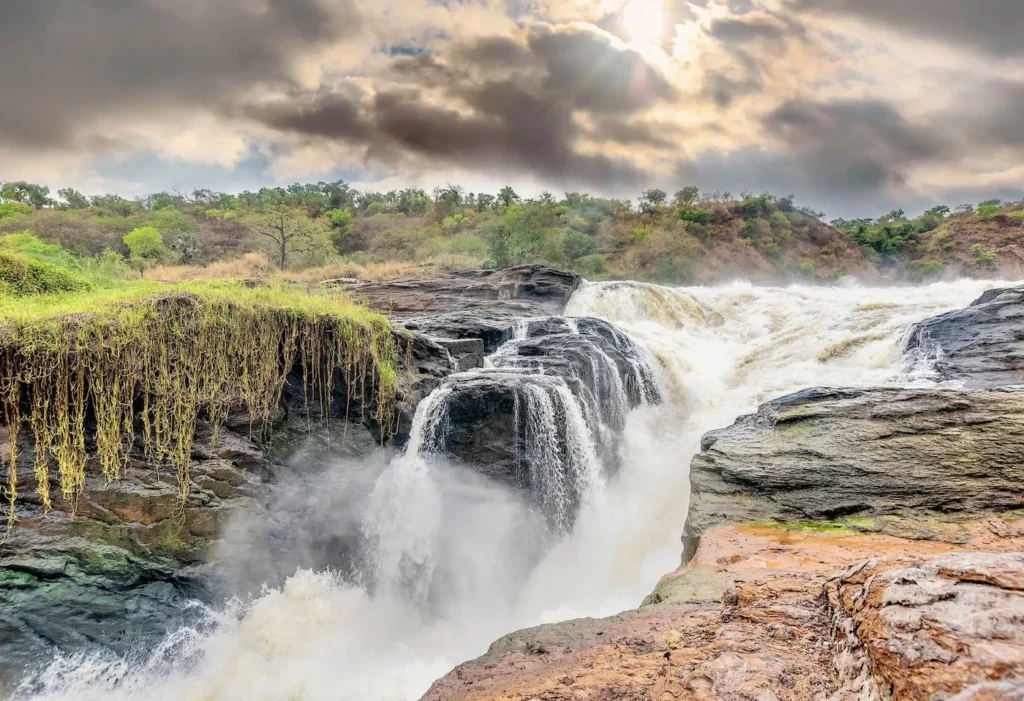
Why Murchison Falls National Park Defines Ugandan Safari Excellence
Murchison Falls National Park stands as Uganda’s largest and most iconic protected area, offering travelers an unforgettable safari experience. Located in northwestern Uganda, the park stretches across districts such as Masindi, Buliisa, Nwoya, and Kiryandongo, covering over 3,800 square kilometers. Its defining feature, the dramatic Murchison Falls, showcases the Nile River squeezing through a narrow gorge before plunging into a thunderous cascade. This spectacle alone makes the destination one of Africa’s most remarkable natural wonders.
Travelers seeking authentic Ugandan adventures find Murchison Falls National Park unmatched in diversity, culture, and wildlife. The park hosts elephants, lions, giraffes, buffaloes, leopards, and over 450 bird species. Beyond wildlife, the surrounding communities enrich the safari with vibrant cultural traditions, dances, and crafts. Visitors discover not only nature but also the living heritage of Uganda.
African Gorilla Safaris Uganda positions this destination as a cornerstone for world travelers asking about what to expect from a safari in Uganda and the answer lies in breathtaking landscapes, thrilling wildlife encounters, and cultural immersion.
Location of Murchison Falls National Park
Gateway to Northern Uganda
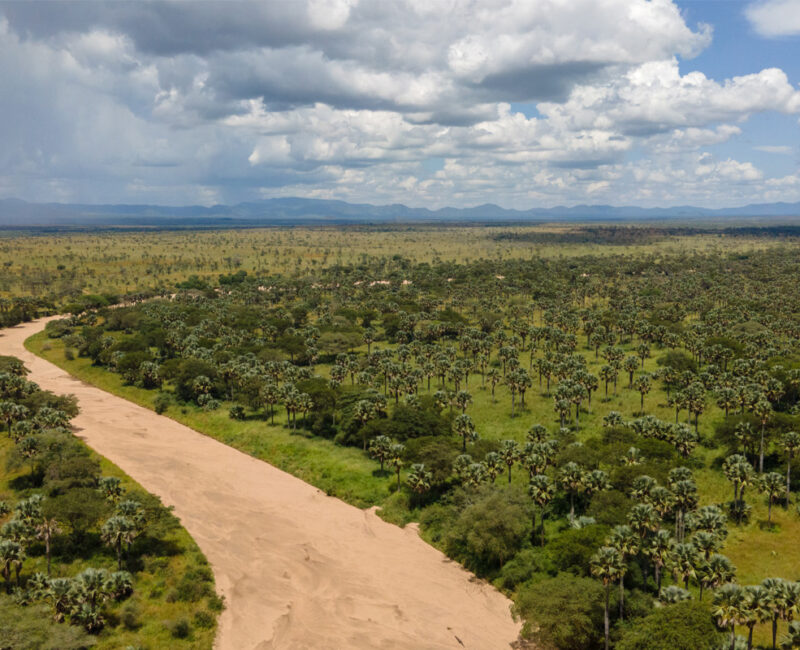
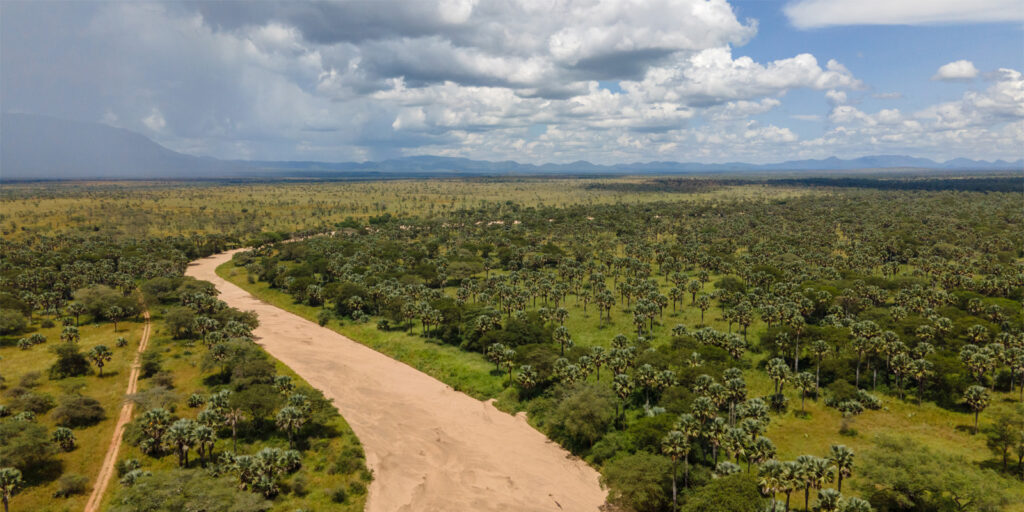
Murchison Falls National Park lies strategically between Lake Albert and the Nile River, making it accessible from Kampala via a five-hour drive. The park’s location bridges central and northern Uganda, offering travelers a chance to explore diverse ecosystems. Savannah grasslands dominate the northern sector, while riverine forests and woodlands enrich the southern landscapes. This geographical diversity ensures every safari feels unique.
The Nile River defines the park’s identity, splitting it into northern and southern banks. Boat cruises along the river reveal hippos, crocodiles, and elephants drinking at the shores. The falls themselves remain the centerpiece, where the Nile forces through a seven-meter gorge, creating unmatched power and beauty.
African Gorilla Safaris Uganda emphasizes location as a key factor when travelers ask where to begin their Ugandan safari journey. Murchison Falls National Park provides the perfect starting point, combining accessibility with extraordinary natural wonders.
Cultural Experiences Around Murchison Falls National Park
The culture surrounding the park enriches every safari. Local communities such as the Banyoro, Acholi, and Alur showcase traditions through dance, music, and storytelling. Visitors engage with artisans producing crafts, baskets, and beadwork, offering authentic souvenirs. Cultural tours complement wildlife adventures, creating holistic safari experiences.
Community visits highlight resilience and heritage. Traditional dances performed during evening gatherings immerse travelers in rhythms passed down generations. Local cuisine introduces flavors unique to northern Uganda, including millet bread and smoked fish. These cultural elements transform safaris into journeys of connection.
African Gorilla Safaris Uganda integrates cultural immersion into itineraries, answering the question on what to expect beyond wildlife in Uganda. The response lies in genuine human encounters, where travelers witness Uganda’s living traditions. This cultural richness strengthens the park’s appeal as more than a wildlife destination.
History of Murchison Falls National Park
The park holds a history that reflects Uganda’s conservation journey. Established in 1952, it became Uganda’s first national park. Its name honors Sir Roderick Murchison, a geologist whose legacy remains tied to exploration. Over decades, the park evolved into a sanctuary for wildlife and a symbol of Uganda’s natural heritage.
During challenging times in the 1970s and 1980s, wildlife populations declined due to conflict and poaching. However, conservation efforts revived the park, restoring its reputation as a premier safari destination. Today, elephants, giraffes, and lions thrive once again, showcasing resilience and commitment to preservation.
African Gorilla Safaris Uganda highlights this history when travelers ask why choose Murchison Falls National Park for safaris and the answer lies in its legacy of survival, conservation, and renewal. Visitors experience not only nature but also the triumph of Uganda’s conservation story.
Safari Lodges Around Murchison Falls National Park
Safari lodges around Murchison Falls National Park provide comfort and luxury for travelers. Options range from budget-friendly camps to high-end lodges overlooking the Nile. Paraa Safari Lodge offers panoramic views and modern amenities, while Nile Safari Lodge combines eco-friendly design with elegance. Red Chilli Rest Camp caters to budget travelers seeking adventure without compromise.
These lodges enhance safaris by offering proximity to wildlife and cultural experiences. Evening campfires, river views, and guided nature walks enrich stays. Travelers enjoy both relaxation and immersion, making lodges integral to safari planning.
Visitors should expect comfort, luxury, and unforgettable views. Lodges ensure safaris remain memorable from dawn game drives to evening relaxation.
Interesting Facts About Murchison Falls National Park
The park fascinates with unique facts. The Nile River squeezes through a gorge only seven meters wide, creating immense pressure. The falls release water at incredible force, producing mist visible from kilometers away. This spectacle ranks among the world’s most powerful waterfalls.
The park hosts Uganda’s largest population of Rothschild’s giraffes, making it vital for conservation. Birdwatchers discover rare species such as the shoebill stork, a highlight for ornithology enthusiasts. The diversity of habitats ensures sightings of savannah mammals, aquatic life, and forest species.
The combination of geological wonders, rare wildlife, and cultural richness sets the park apart and visitors leave with stories unmatched elsewhere in Africa.