Murchison Falls National Park
December 12, 2025
Bwindi Impenetrable Forest National Park
December 12, 2025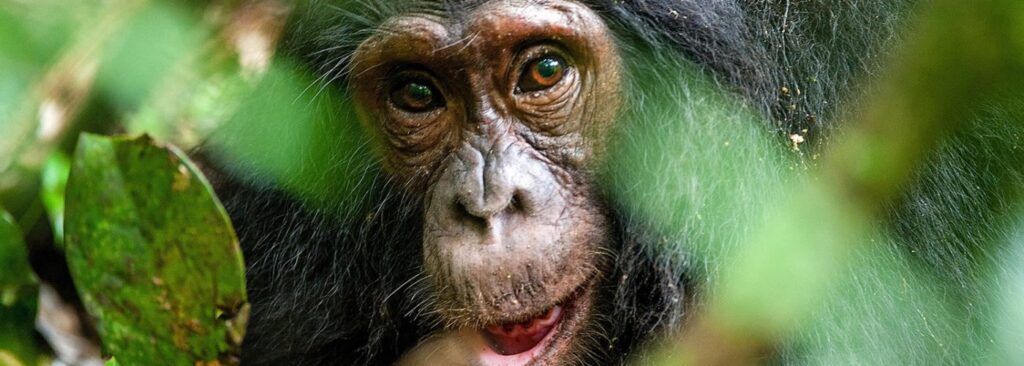
Why Kibale National Park Defines Uganda’s Primate Capital
Kibale National Park stands proudly as Uganda’s primate capital, offering travelers an unrivaled safari experience that blends nature, culture, and history. Located in western Uganda near Fort Portal, the park covers approximately 795 square kilometers of lush tropical forest. Its reputation stems from hosting the largest population of chimpanzees in East Africa, alongside thirteen other primate species. This extraordinary diversity makes Kibale National Park a global destination for primate enthusiasts and wildlife lovers.
Travelers seeking genuine Ugandan adventures discover Kibale National Park as a sanctuary of biodiversity and cultural richness. Beyond chimpanzees, the park shelters red colobus monkeys, L’Hoest’s monkeys, and rare bird species. The surrounding communities enrich safaris with vibrant traditions, dances, and crafts. Visitors encounter not only wildlife but also Uganda’s living heritage.
African Gorilla Safaris Uganda positions Kibale National Park as a cornerstone for world travelers asking about what to expect from a safari in Uganda and the answer lies in thrilling chimpanzee tracking, breathtaking forest walks, and cultural immersion.
Location of Kibale National Park
Gateway to Western Uganda
Kibale National Park lies strategically in western Uganda, stretching across districts such as Kabarole, Kamwenge, and Kasese. Its proximity to Fort Portal makes it accessible by road, with a five-hour drive from Kampala offering scenic views of tea plantations and crater lakes. The park’s location bridges Uganda’s central and western regions, providing travelers with diverse ecosystems ranging from moist evergreen forest to savannah woodland.
The park’s terrain rises between 1,100 and 1,600 meters above sea level, creating a cool climate ideal for trekking. Kibale’s forests connect with Queen Elizabeth National Park through a wildlife corridor, allowing elephants and other species to migrate freely. This geographical positioning enhances biodiversity and ensures every safari feels unique.
History of Kibale National Park
Conservation and Transformation
The park holds a history that reflects Uganda’s dedication to conservation. Established in 1993, the park evolved from a forest reserve into a national treasure. Its creation aimed to protect
biodiversity while promoting tourism and research. Over decades, Kibale became a sanctuary for primates and a symbol of Uganda’s natural heritage.
During earlier years, the forest faced challenges from logging and agricultural expansion. However, conservation efforts restored its ecosystems, ensuring chimpanzees and other species thrived. Today, Kibale stands as a model of resilience, balancing human needs with environmental preservation. Researchers from across the world study primate behavior here, reinforcing its global significance.
Cultural Experiences Around Kibale National Park
The culture surrounding The park enriches every safari. Local communities such as the Batooro and Bakiga showcase traditions through dance, music, and storytelling. Visitors engage with artisans producing crafts, baskets, and beadwork, offering authentic souvenirs. Cultural tours complement wildlife adventures, creating holistic safari experiences.
Community visits highlight resilience and heritage. Traditional dances performed during evening gatherings immerse travelers in rhythms passed down generations. Local cuisine introduces flavors unique to western Uganda, including millet bread and smoked fish. These cultural elements transform safaris into journeys of connection.
Safari Lodges Around Kibale National Park
Safari lodges around the park provide comfort and luxury for travelers. Options range from budget-friendly camps to high-end lodges overlooking the forest. Primate Lodge Kibale offers proximity to chimpanzee tracking trails, while Ndali Lodge combines crater lake views with elegance. Kibale Forest Camp caters to budget travelers seeking adventure without compromise.
These lodges enhance safaris by offering proximity to wildlife and cultural experiences. Evening campfires, forest views, and guided nature walks enrich stays. Travelers enjoy both relaxation and immersion, making lodges integral to safari planning.
African Gorilla Safaris Uganda recommends lodges based on traveler preferences. Lodges ensure safaris remain memorable from dawn chimpanzee treks to evening relaxation.
Interesting Facts About Kibale National Park
Kibale National Park fascinates with unique facts. It hosts over 1,500 chimpanzees, making it East Africa’s primate capital. The park shelters thirteen primate species, including rare L’Hoest’s monkeys and red colobus monkeys. Birdwatchers discover over 375 species, including the African pitta, a highlight for ornithology enthusiasts.
The park’s forest connects with Queen Elizabeth National Park, creating a corridor for elephants and other wildlife. Its crater lakes and wetlands add scenic beauty, offering opportunities for exploration beyond primate tracking.